Blog
China container tracking: how your organization can gain control over transport from China

Importing goods from China and Vietnam for business purposes can be a source of significant growth and profit for companies, but it also requires a solid understanding of various complex processes. This blog is designed to provide you with in-depth insights and strategies for successfully importing goods from China and Vietnam for business purposes.
Importing goods from China and Vietnam for business purposes starts with strategic preparation. It’s important to conduct a thorough market analysis and understand which products are available in China and Vietnam. In addition, you’ll need a detailed business plan that takes into account aspects such as objectives, budgeting, and timelines. This plan serves as the foundation for all your future activities related to importing from China and Vietnam.
When importing from China and Vietnam as a business, you must take various legal and regulatory aspects into account. This includes not only laws related to import and export, but also compliance with international trade standards, customs regulations, and product safety standards. It is essential to ensure full compliance with these regulations to avoid potential fines and legal complications. In fact, starting in 2026, a number of additional obligations (CBAM) will take effect. You must comply with these to import successfully. Read all about the CBAM measures taking effect in 2026.
When importing goods from China and Vietnam for business purposes, there are various risks you need to identify and manage. These can range from quality issues to delivery delays and logistical challenges. An effective risk management plan helps you prepare for and address these risks.
Building strong business relationships with Chinese and Vietnamese suppliers is another crucial aspect of importing from China and Vietnam. Understanding Chinese and Vietnamese business culture, building trust, and maintaining long-term relationships are essential for successful transactions. Cultural differences can pose a challenge, so it’s important to be aware of these differences and develop effective communication strategies.
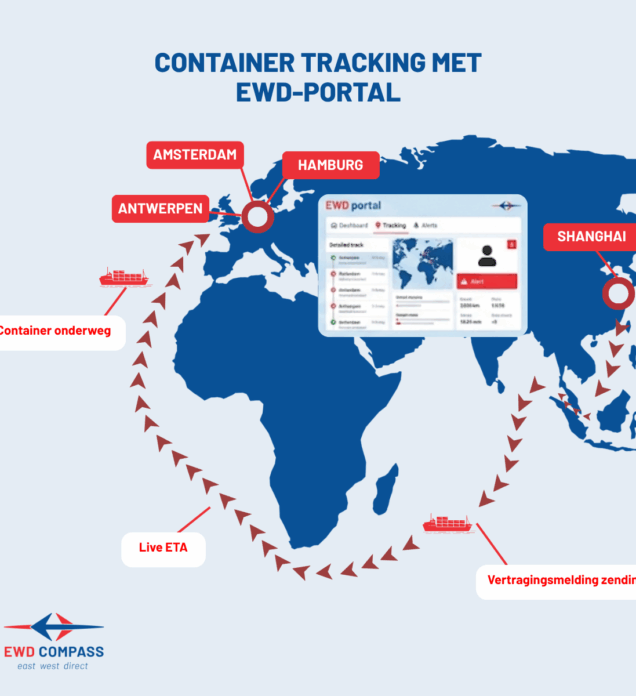
Effective logistics management is crucial when importing goods from China and Vietnam for business purposes. This includes choosing the right methods of transport —air freight, ocean freight, rail, or a combination—and managing logistics costs. This also involves taking into account the size requirements for shipping containers. It’s also important to build a reliable network of logistics partners and freight forwarders who have experience with the Chinese market and international trade. It’s a good idea to clearly map out the transportation options and cost items before you begin the import process. Download the white paper below for more information on importing goods from China and Vietnam.
Importing goods from China and Vietnam for business purposes can be a complex but rewarding process. By focusing on strategic planning, legal compliance, logistics, financial planning, risk management, and cultural considerations, your company can successfully navigate the world of international trade and imports from China and Vietnam. Read all about import duties from China here. If you don’t want to take on too much risk and would prefer support with importing from China? Let us help you—feel free to contact us for a contact us at any time.